Rebuilding the Food System: How Urban Farms Help Address Food Insecurity
Across many cities in the United States, access to fresh, healthy food is still a major challenge. In neighborhoods where grocery stores are limited or far away, families are often left with few options beyond processed foods from convenience stores or fast food chains. This issue, commonly known as food insecurity, affects not only physical health but also long-term community well-being.
But something powerful is happening in cities across the country and right here in Indianapolis. Urban farms are changing the story!
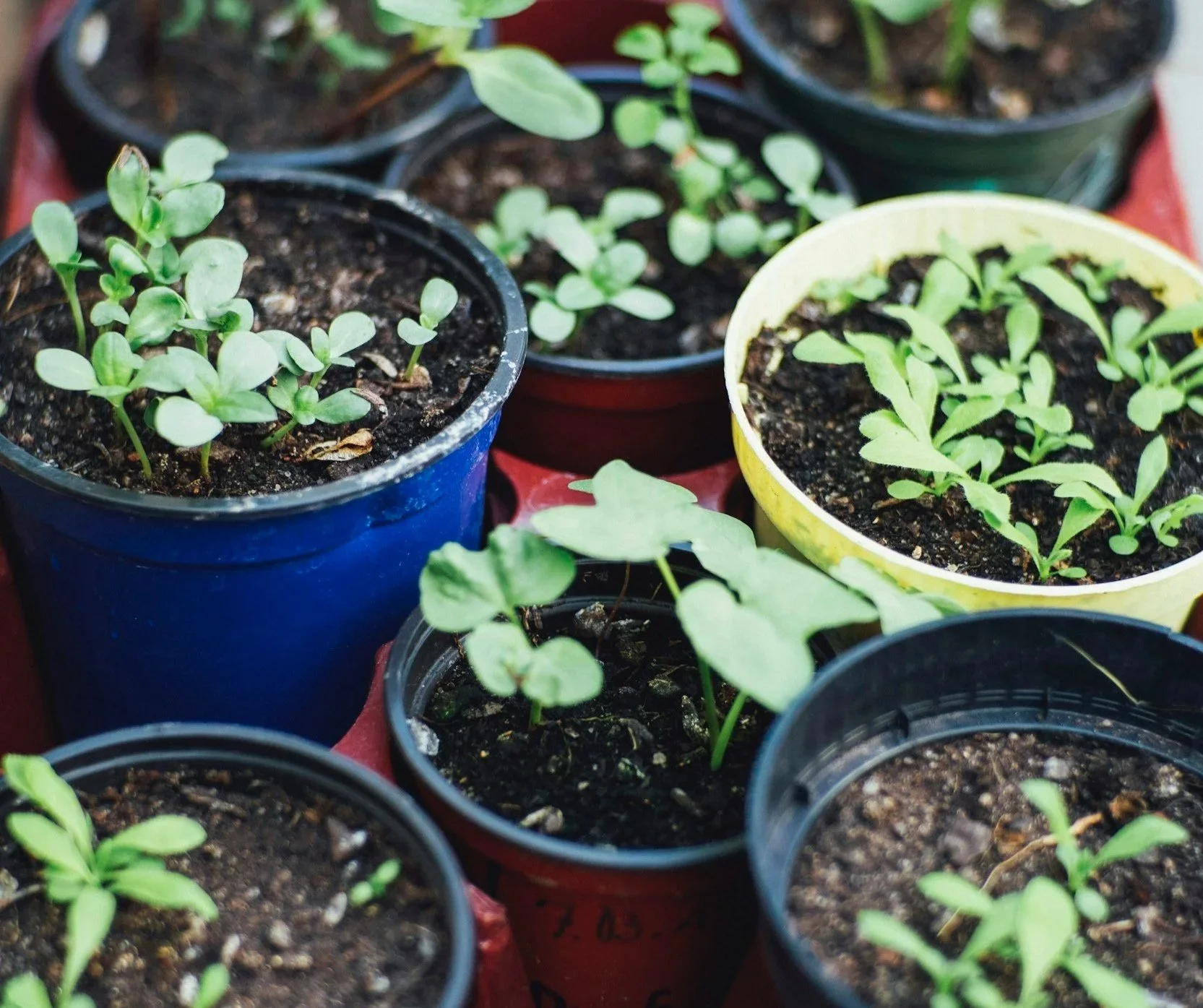
Bringing Fresh Food Back Into the City
Urban farms play an important role in strengthening communities by growing fresh, nutrient-rich food right where people live. Instead of relying entirely on large industrial agriculture systems that ship food across the country, urban farms shorten the distance between the soil and the table.
This matters more than many people realize!
Most conventional produce travels hundreds or even thousands of miles before reaching grocery stores. During that time:
Nutrients can begin to decline after harvest
Food requires refrigeration, packaging, and transportation
Crops are often treated with chemicals to preserve shelf life
Urban farms help rebuild a local food chain where food is harvested closer to when it is eaten. This means:
Fresher produce
Better flavor
Higher nutrient retention
Stronger connection between people and their food
Restoring Control Over Health
One of the most powerful impacts of urban farming is education. It’s not just about growing food, it’s about teaching people how to grow their own.
When communities learn about gardening, soil health, nutrition, and herbal plants, something important happens: people begin to regain control over their health. Instead of depending solely on outside systems, families can grow vegetables, fruits, and medicinal plants that support wellness naturally everyday.
Urban farms create spaces where people can:
🌱 Learn how food is grown
🌱 Understand the role of soil and ecosystems
🌱 Build gardening skills
🌱 Access fresh produce locally
🌱 Reconnect with nature in the middle of the city
This knowledge has the potential to shift generations.
A Healthier Approach to Growing Food
Another key benefit of urban farms that follow sustainable and organic practices is reduced exposure to harmful agricultural chemicals. Industrial agriculture often relies on synthetic pesticides, herbicides, and fertilizers that can impact:
Soil health
Water systems
Farm workers
Consumers
Ecosystems
Urban farms focused on natural growing practices aim to protect both people and the environment by minimizing these inputs. This helps produce food that many people value for being:
Cleaner
Rich in nutrients
Grown in living, healthy soil
Part of a balanced ecosystem
It also encourages biodiversity, bringing pollinators, birds, and beneficial insects back into urban environments.
Strengthening Communities Through Local Food Systems
Urban farms do more than grow vegetables. They become hubs for:
Education
Community gatherings
Youth engagement
Wellness programs
Local economic growth
When people invest in local food systems, communities become more resilient. Access to healthy food improves, knowledge spreads, and people feel more connected to the land and to each other.
The Future of Food Starts in Our Communities
Food insecurity is a complex issue, but solutions can start at the local level. Urban farms show that cities have the power to grow food, educate residents, and rebuild healthier food systems from the ground up.
Over 19.3 million households were food insecure at some point in 2024 — meaning they had difficulty acquiring enough food due to resource constraints.
In 2025 over 50 million people lived in food-insecure households.
Food insecurity also tends to be higher in single-parent families, Black and Hispanic households, and both urban and rural areas compared to the national average.
Food insecurity has been increasing every year!
By bringing agriculture back into neighborhoods, we’re not just growing crops, we’re growing independence, knowledge, and stronger communities. Because when people reconnect with nature and learn how to grow their own food, they begin to take back something very important: their health and their future.